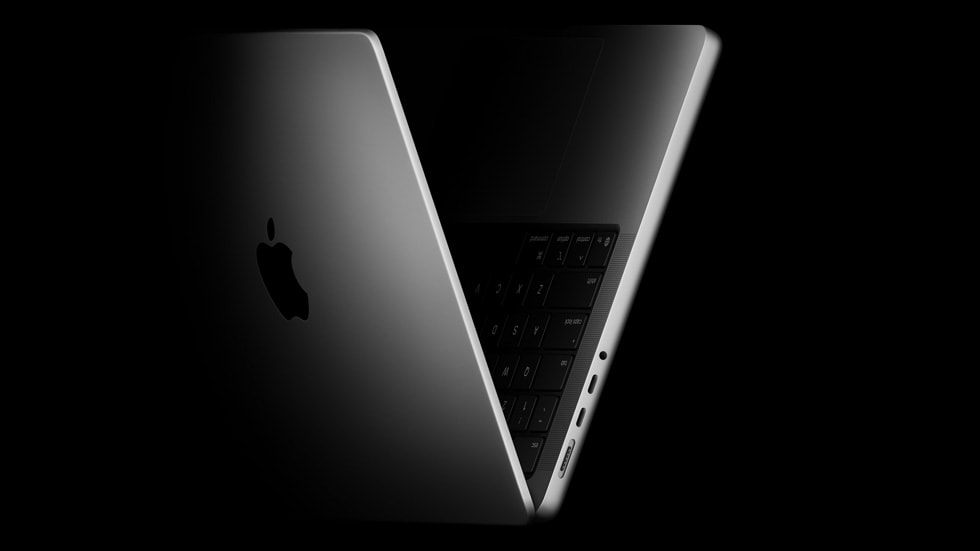
Key Upgrades in the M5 MacBook Pro vs. M4
Chip architecture & core specs
- The M5 chip is built on TSMC’s “3 nm” process (reported N3P) and incorporates a 10-core CPU (4 performance cores + 6 efficiency cores). (Apple)
- Apple states a next-generation 10-core GPU in the M5, with a “Neural Accelerator” in each GPU core. (Apple)
- Memory bandwidth increases significantly: from ~120 GB/s in the M4 base variant to ~153 GB/s in the M5. (Apple)
Performance claims & early results
- Apple claims up to 45% graphics performance uplift (in ray-tracing-capable workloads) over the M4. (Apple)
- For AI/ML workloads, Apple is claiming “over 4× the peak GPU compute performance” compared to M4, thanks to the Neural Accelerators. (Wikipedia)
- Early Geekbench 6 leak for the M5 (in 14-inch MacBook Pro) shows a single-core score of ~4,263 and a multi-core score of ~17,862 — roughly 20% faster in multi-core than the M4. (MacRumors)
What remains unchanged
- Physically, the enclosure, display (14.2″ Liquid Retina XDR), ports (Thunderbolt 4, HDMI, SD card), and weight appear identical between M4 and M5 14-inch models. (AppleInsider)
- For many users, this is a “spec-bump” rather than a full redesign. (AppleInsider)
Interpretation: What this means in practice
Who sees significant benefit
- If you perform GPU-heavy workloads (3D rendering, ray-tracing, video work with external GPUs or heavy compute), the ~30-45% uplift in graphics performance and improved memory bandwidth are meaningful.
- If you run on-device AI/ML workflows (e.g., using large language models, image generation, or Apple Intelligence features), the jump in Neural Engine + GPU accelerator architecture may offer a real boost.
- If your workflow is multi-threaded and memory-bandwidth hungry (e.g., compiling large codebases, working with large datasets), the ~20% multi-core CPU uplift and memory bandwidth increase will help.
Who might wait
- If you already own the 14-inch MacBook Pro with M4 and your usage is moderate (e.g., web, office apps, light creative work), then the uplift may not feel dramatic enough to justify an upgrade right away. Many reviewers flag this as an incremental upgrade. (TechRadar)
- If you primarily use apps that are single-thread dominated or don’t saturate GPU/Neural performance, the difference may be modest in daily use.
- If you want the next “big redesign” (for example OLED display, new chassis, etc.), those may arrive in a future generation (e.g., M6) according to rumors. (Tom’s Guide)
Practical Recommendation
- If you’re buying fresh now and you do creative work, consider the M5 model: it gives you a better “future-proof” base, especially for AI/GPU tasks.
- If you already have the M4 model and it serves you well, you can comfortably wait– unless your workload hits those GPU/AI heavy use-cases, the upgrade isn’t urgent.
- Also consider pricing: the M4 model may now be available at discounts, so if your workflow is moderate, you might get better value by sticking with the previous gen.