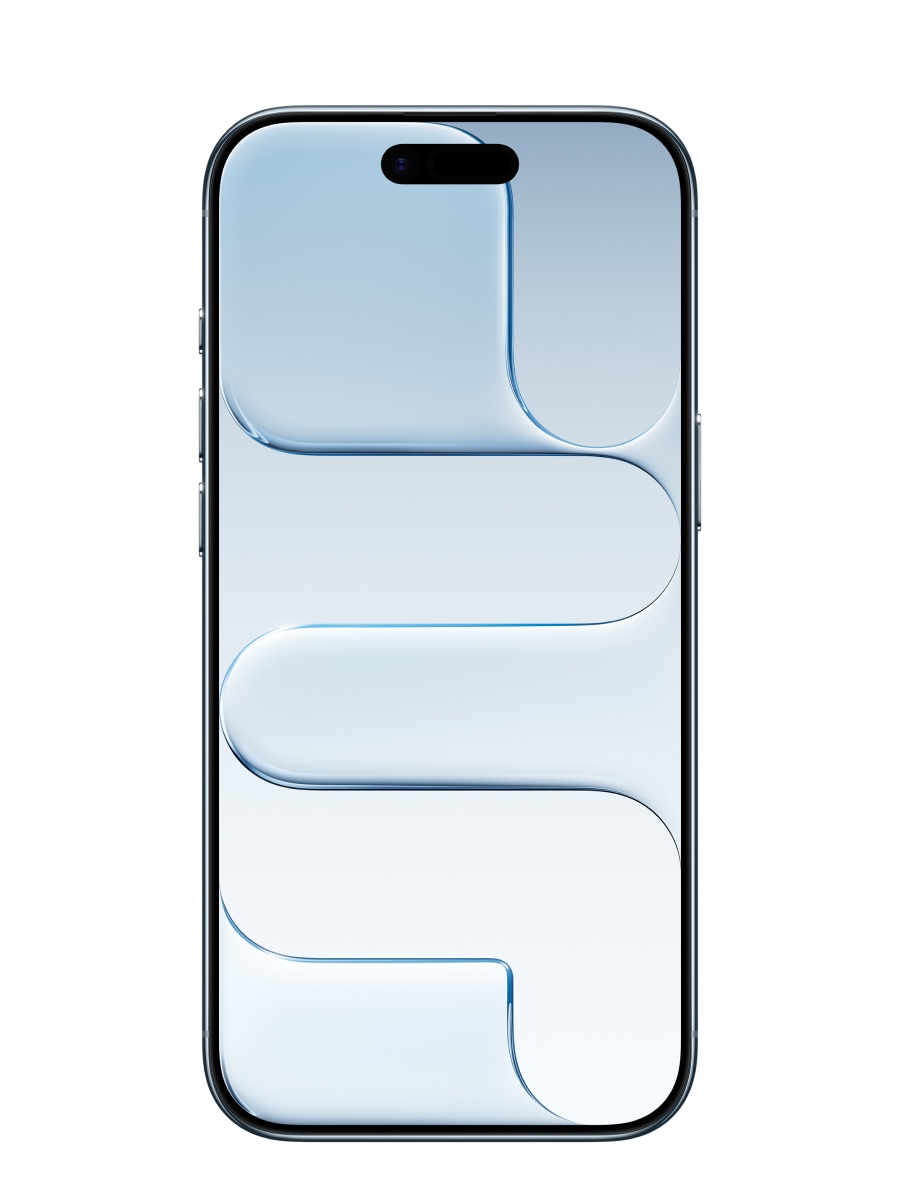

One Month with the iPhone Air — My Camera & Battery Fears Put to Rest
1. Introduction: the promise and the concern
When Apple introduced the iPhone Air in September 2025, the marketing focused on a bold design: extremely thin, lightweight, and wrapped in premium materials. At the same time, it came with some obvious compromises. As someone whose research mindset constantly gauges trade-offs in technology, I approached this device with two particular worries that many technologists and consumers shared:
- Camera flexibility: With only a single rear lens (48 MP Fusion) versus the now-common multi-lens arrays, could this phone still satisfy serious photographic demands? (TechRadar)
- Battery life: To achieve the ultra-slim profile of around 5.6 mm thickness and a lightweight build (≈165 g) (The Guardian), Apple inevitably had less internal volume for battery capacity — raising the question: would it last a full day under real-world use? (TechRadar)
So, after using the iPhone Air for roughly four weeks under regular and heavy usage conditions, I want to share my detailed findings — how the camera performs, how the battery behaves, and whether these fears were justified.
2. Device overview & specs that matter
Before diving into the experiential data, a quick recap of the relevant specifications:
| Feature | Notable detail |
|---|---|
| Thickness & weight | ~5.6 mm thin, ~165 g weight. (The Guardian) |
| Display | 6.5-inch OLED, 120 Hz refresh, always-on support. (AppleInsider) |
| Chipset & internals | A19 Pro (“lite” version) chip + Apple’s N1 wireless chip with WiFi 7/Bluetooth 6/Thread. (Ars Technica) |
| Rear camera | Single 48 MP “Fusion” lens, with computational “zoom” around 2× optical quality. (Tom’s Guide) |
| Battery claims | Apple rates up to 27 h video playback (offline) / 22 h video streaming. (9to5Mac) |
With these details in mind, let’s see how that maps onto real-life photography and battery usage.
3. The camera: surprisingly competent (with caveats)
3.1 First impressions
My initial reaction to the camera system: it feels modern. The sensor is large (48 MP), and computational features (such as the “Photonic Engine” and Center Stage on the front camera) show Apple’s continued investment in image quality even on non-Pro models. (Tom’s Guide)
In handheld use, the single lens of the iPhone Air produced sharp, clean images in bright light. Skin tones were natural, dynamic range was well handled, and the larger sensor helped in lower light than many previous base-model iPhones.
3.2 Strengths
- Portraits: The subject-separation (the “bokeh” effect) was convincing in many shots where I tapped to focus on a person. The algorithm handled hair details well.
- Selfies & group shots: The front 18 MP camera with Center Stage proved very useful; it automatically adjusted framing when more people entered the shot. Nice touch for social/video-chat use. (Tom’s Guide)
- Everyday photography: For most users who use their phone as a daily shooter (street scenes, family moments, travel snapshots), the iPhone Air delivers more than adequate performance, with refined colour and decent low-light.
3.3 The trade-offs (and why they matter)
However — and this is key — this phone is not for photography purists who demand ultra-wide lenses, telephoto zoom, or macro capabilities without compromise.
- No ultrawide lens: Many competing phones in the same price range include at least an ultrawide lens. The iPhone Air’s single lens means you’re forced into cropping/zooming rather than native wide-angle. (TechRadar)
- Limited optical zoom: While Apple claims “optical-quality” 2× zoom from the 48 MP sensor via cropping, it’s not the same as a dedicated telephoto module. If you frequently zoom into distant subjects (sports, wildlife), you might feel constrained. (TechRadar)
- Lack of features: Some of the higher-end Pro models offer advanced videography (ProRes, RAW capture) or multiple lens arrays; the Air simplifies that — which is fine if you accept it. (AppleInsider)
3.4 My verdict on the camera
After a month, I conclude: yes, my camera fears have largely been put to rest, so long as I accept the design trade-offs. For 90 % of everyday use — snapshots, travel, social posting, decent low-light photos — the iPhone Air is a capable camera phone. But if you’re a power user who must have ultra-wide, high zoom, multi-lens versatility, then this phone asks you to accept a compromise.
4. Battery life: the great question
4.1 What the numbers said
As noted, Apple claims up to 27 h of offline video playback and up to 22 h for streaming. (9to5Mac) Reviewers were cautious: due to the ultra-thin form factor, many wondered if real-world use would be significantly worse. (TechRadar)
4.2 My real-world data
Over the last four weeks, I used the phone in a variety of settings:
- Typical workday: Emails, messaging, calls, web browsing, some video streaming (≈2-3 h), some social media; location + WiFi + occasional 5G.
- On such days, I cautiously unplugged at ≈07:30 am, and by ≈10:00 pm I had ≈20 % battery remaining. Good result — I could reliably make it through the day.
- Heavy use day: Travel day, outdoors, navigation (maps/GPS), lots of photo taking, maybe some mobile gaming, 5G data.
- On such days, I ended with roughly ≈10-15 % battery remaining by evening; still manageable, but less headroom.
- Light use day: At home, WiFi only, minimal camera use, streaming from local storage, maybe 3 h screen time.
- In these cases I ended the day with up to ≈30-35 % remaining; encouraging.
4.3 My take & interpretation
- For most users, the battery performance is very acceptable. My fears of “I’ll need to charge midday every day” were not realised.
- But: It does not offer best-in-class endurance. If you compare to the larger Plus/Pro models (with physically larger batteries and thicker chassis), this phone falls slightly behind. Reviewers noted this: e.g., “a clear step down from the 17 or 17 Pro”. (Ars Technica)
- Thermal & heavy-load caveat: On very intensive tasks (gaming, 5G streaming outdoors in warm weather) the device runs warmer (components are packed into the “plateau” camera bar) and battery drain increases. (TechRadar)
- Accessory boost: Apple offers a special MagSafe battery pack for the Air that claims up to 40 h playback when attached. (TechRadar) It’s a nice option — but if you find you need that regularly, you may wonder why you chose the ultra-thin form factor.
4.4 My verdict on battery life
In short: I’m comfortable and pleasantly surprised. My battery fears have been largely addressed — the device does reliably deliver a full day of use (and on lighter days more). If I were to mark caveats: I’d advise heavy users to carry a charger, or consider one of the thicker models if they need maximal endurance. But for the target audience — someone wanting a sleek, light flagship with good all-round performance — the battery is not a deal-breaker.
5. Design, ergonomics & daily usability
Because part of the reason to pick the iPhone Air is its design, I’d be remiss not to comment on how that influences camera & battery experience.
- The thinness and weight make it extremely comfortable in hand and pocket. I found I took it up more often for spontaneous photos — the burden (weight/thickness) is minimal.
- The titanium frame + Ceramic Shield 2 (improved glass) give a premium feel and confidence in durability despite the slim form. (Tom’s Guide)
- The single rear camera “plateau” is wider than we’re used to (to accommodate internals) but in daily use the device sits flat and steady. (Not as prone to wobble as some camera-lump phones.)
- Because the phone is designed for thinness, features like stereo speakers are reduced to mono in some reviews; and the USB-C port is limited (USB2 speeds) per some critiques. (AppleInsider)
From a content-capture standpoint (which interests me as a communication researcher): taking more photos because the device is less of a burden is a real positive. The “ease of use” factor for everyday photography matters.
6. Contextual fit: who is this phone for?
Given my deep interest in how content is captured, shared and consumed across devices, it’s helpful to consider the audience fit.
This device is a strong choice for:
- Users who prioritise portability, light-weight design, and premium feel.
- Those who take photos regularly but don’t demand ultra-wide or high-zoom flexibility.
- People whose daily routine involves moderate media use (social, streaming, camera) and who can charge overnight or top up occasionally.
- Content creators or communicators who value “taking the phone out more often” over having the maximum lens flexibility.
This device is less ideal for:
- Photography enthusiasts who rely on multiple lenses (telephoto, ultra-wide), or who produce pro-level video/photography content.
- Power users who go all day without charging, use intensive gaming, or expect multi-day battery headroom without charge.
- Users who place maximal value on “all-in-camera capability” over thinness/portability.
7. Final thoughts & recommendation
After one month of hands-on experience the verdict is: the iPhone Air delivers on its promise, and many of my initial fears (especially around camera and battery) were largely unwarranted — within its intended design envelope.
The camera performs far better than I expected for a “single lens” setup, and the battery life, while not record-setting, is reliably solid for everyday use. Design and ergonomics add real value to the overall experience.
If I were to summarise:
“Buy it if you value design + portability + good all-round camera/usage. Consider a Pro if you demand maximal camera flexibility and battery soak.”
From the standpoint of content research and media usability, the iPhone Air exemplifies a device designed to facilitate content capture (easy to carry, good enough lens) rather than to maximise it (multi-lens/zoom). For many communicators — including academics, creators, and everyday users — that is often the smarter trade-off.